
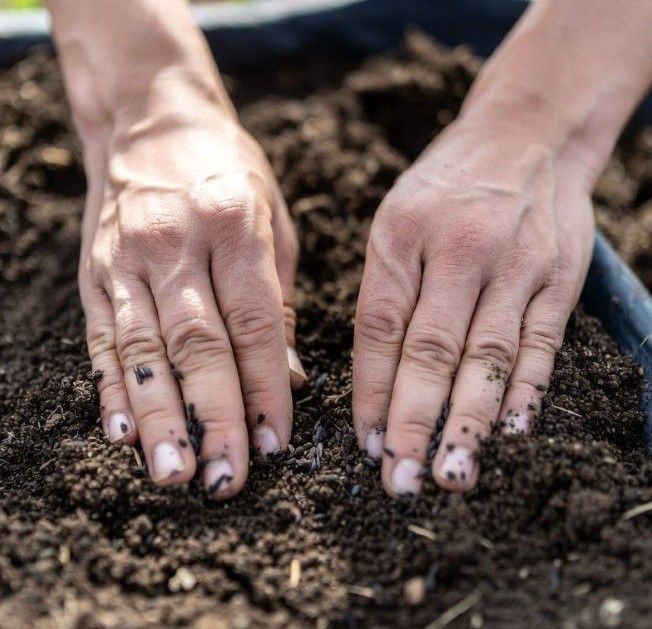
Global food systems rely on long-term planning, with the Food and Agriculture Organization (FAO) noting that sustainable farming depends on consistent investment in soil, labor, and infrastructure over time. Just like crops, high-performing teams require consistent investment, care, and the right environment to thrive.
Think about a farmer walking through a field at sunrise, checking soil moisture, adjusting irrigation, maybe muttering about the weather. That same quiet diligence shows up in business, especially in how companies invest in people. According to team building experts like Froggy Events, organizations that regularly nurture collaboration and morale tend to see stronger, more resilient teams. It is not magic. It is maintenance. And yes, sometimes it feels as slow as watching corn grow.
Planting the Right Seeds
Every harvest starts with a decision. Farmers choose seeds based on climate, soil type, and long-term yield potential. In business, hiring and onboarding serve the same purpose. Pick the wrong seeds, and no amount of watering will fix the outcome.
Strong teams begin with alignment. Skills matter, but so does attitude, adaptability, and willingness to grow. Companies that rush this stage often pay for it later. A mismatched hire is like planting tropical fruit in dry soil. You can try, but the odds are not great.
There is also timing. Farmers wait for the right season, even when they are eager to start. Businesses could learn from that patience. Hiring just to fill a gap rarely leads to long-term returns.
Consistent Investment Pays Off
A field does not thrive because of one good rainstorm. It thrives because of steady care. Watering, fertilizing, monitoring pests, all done repeatedly, often without immediate results. This is where many companies struggle. They want quick wins. In agriculture, even something as routine as managing wages requires careful planning, as seen in seasonal farm labor payment strategies, where timing and consistency directly affect worker retention and productivity.
Team investment works the same way. Training programs, mentorship, and regular engagement activities build strength over time. Skip them, and cracks start to show. Employees disengage. Communication breaks down. Productivity dips.
I once heard a manager joke that team development felt like watering plants that never say thank you. Fair. But the results show up eventually, in better collaboration, fewer conflicts, and stronger performance under pressure.
The Role of Environment
Even the best seeds fail in poor conditions. Soil health, sunlight, and climate all shape the outcome. In organizations, culture plays that role.
A supportive environment encourages growth. People take risks, share ideas, and learn from mistakes. On the flip side, a toxic workplace stunts development. It is like overwatering or neglecting crops. Too much pressure, or too little support, and things start to wilt.
This is where structured team development activities come in. Whether it is workshops, retreats, or creative collaboration exercises, these moments help reset the environment. They remind people how to work together, not just around each other. A well-planned team building session can do more for morale than a dozen emails about “company values.”
Patience and Long-Term Thinking
Farming teaches patience better than almost anything. Crops take time. Weather changes plans. Some seasons are better than others. Yet farmers keep planting.
Businesses often operate on quarterly targets, which makes long-term thinking harder. Still, the most successful organizations invest beyond immediate returns. They understand that people, like crops, need time to mature.
Short-term thinking leads to quick fixes. Long-term thinking builds resilience. It is the difference between chasing profits and building a system that produces them consistently.
Financial investment follows the same logic. Diversification, steady contributions, and patience tend to outperform reactive decisions. The parallels between agriculture and finance are not just poetic. They are practical.
Harvesting the Results
When everything comes together, good seeds, proper care, the right environment, the results are visible. Healthy crops. Strong yields. A sense of reward that justifies the effort.
In business, the “harvest” looks like high-performing teams, strong retention, and sustainable growth. It does not happen overnight. It is built through consistent effort and thoughtful investment in people.
Organizations that treat team development as an afterthought often struggle to scale. Those that prioritize it, integrating regular team building initiatives into their strategy, tend to see better outcomes over time. The difference is not dramatic at first. It builds quietly, then suddenly becomes obvious.
Conclusion: Grow What You Want to Keep
A farmer does not plant seeds and walk away. They stay involved, adjust, and respond to challenges. Businesses should do the same with their teams.
Growth requires patience, resources, and care. Strong foundations lead to lasting returns. Whether you are managing a field or a company, the principle holds. You get out what you put in.
Invest in your people the way a farmer invests in land. Show up consistently. Create the right conditions. And yes, embrace the slow parts. Because in the end, thoughtful team building and long-term planning will always outperform quick fixes.